
Sikkim — Bhutia Buddhist Traditions — Destination — Khachang to Vidaai
Sikkim Bhutia wedding photography, every ritual documented
From the Khachang to the Vidaai, candid coverage of Bhutia Buddhist wedding traditions across Gangtok, the Sikkim Himalaya, or wherever your wedding takes you.
Contact Us →Every ritual, covered
A Bhutia wedding in Sikkim carries the quiet, spiritual weight of its Tibetan roots — a white khada scarf offered as a formal proposal, a lama consulting the couple’s kika before a single date is set, chang shared from the same cup as a symbol of two lives becoming one. At Yatish Photography, we photograph Bhutia Buddhist weddings, whether hosted in Gangtok, across the Sikkim Himalaya, or as a destination wedding in Bangalore, with the calm, respectful approach these ceremonies call for.
Bhutia weddings are typically small, private affairs, built more around spiritual ritual and family blessing than public spectacle. That changes what good coverage looks like — less about capturing scale, more about capturing meaning.
Every Ritual of a Bhutia Wedding
Khachang — The Formal Proposal
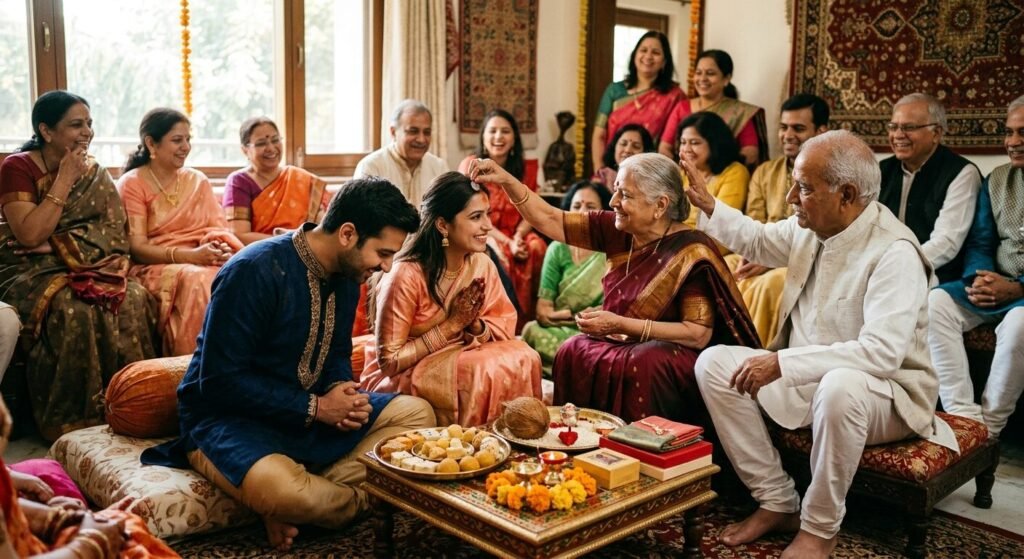
The wedding process begins with the Khachang, where a friend or relative of the groom’s family formally approaches the bride’s family carrying a bottle of wine and a white khada scarf, a gesture that, if accepted, marks the family’s consent to the match and the beginning of formal wedding planning. It’s a quiet, dignified moment usually witnessed only by close family, and we photograph it with attention to the khada itself being offered and received — the specific gesture that starts everything that follows.
Before any dates are finalised, both families consult the couple’s kika, a form of astrological chart similar to a Hindu horoscope, to determine an auspicious date for the engagement and wedding, the colours of the couple’s wedding attire, and even the specific day the bride will later depart her family home. This is a private, priest-led consultation rather than a photographable event in the usual sense, but where families choose to document the reading itself, we treat it as a quiet, respectful moment worth capturing — the priest, the chart, the families listening closely.
Kika Matching — Consulting the Couple's Horoscope
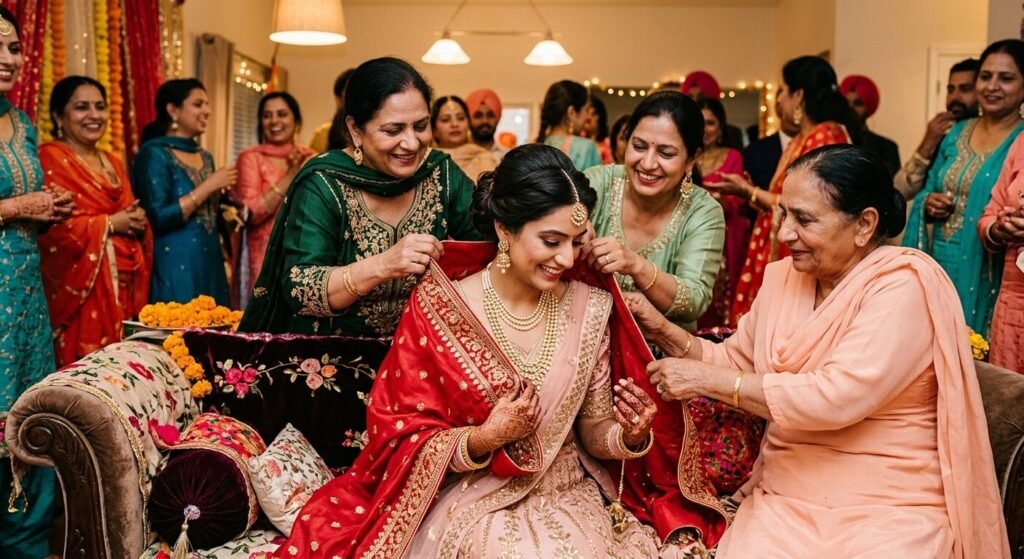
Nangchang — The Formal Engagement
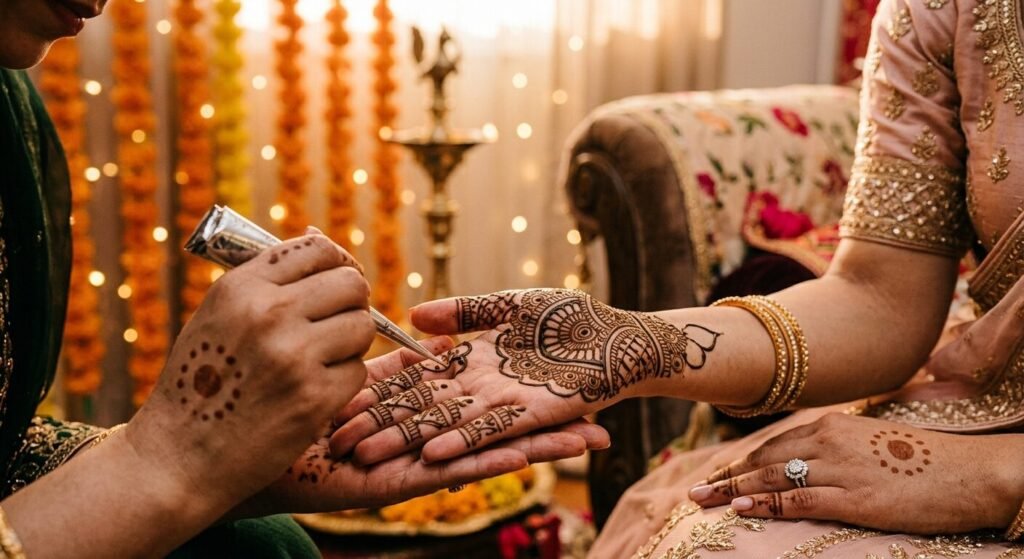
The Nangchang, sometimes called Chessian, is the formal engagement ceremony, conducted by a lama or rinpoche, in which the match is ritually blessed and the two families are formally bound to the arrangement ahead of the wedding itself. We photograph the Nangchang with the same quiet reverence we bring to any lama-led ritual — minimal movement, soft natural light, and close attention to the moment of blessing itself.
At the heart of the Bhutia wedding is the ceremony itself, where a lama offers prayers and blessings for the couple, guests and family present the couple with khada scarves as a gesture of goodwill, and the newlyweds share chang, a traditional barley beer, from the same cup as a symbol of their union. This sequence of blessing, scarf offerings, and the shared drink forms the emotional and spiritual centre of the wedding, and we cover it with careful, unobtrusive framing — the lama’s prayers, the accumulating khadas, the couple sharing the cup, each treated as its own distinct moment rather than folded into one generic ceremony shot.
The Wedding Ceremony — Khada, Lama's Blessing, and Chang
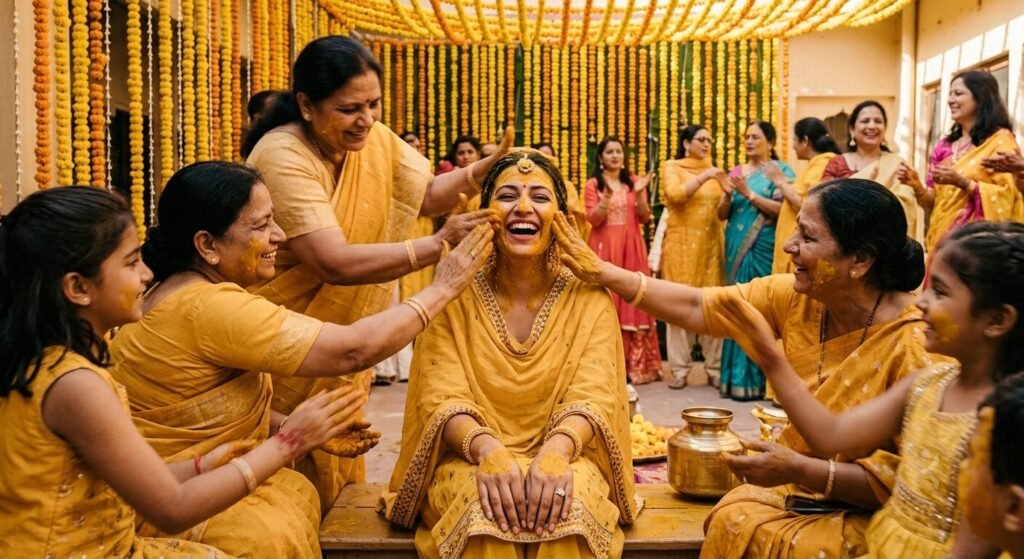
Traditional Attire — Bakhu, Wonju, and Kho
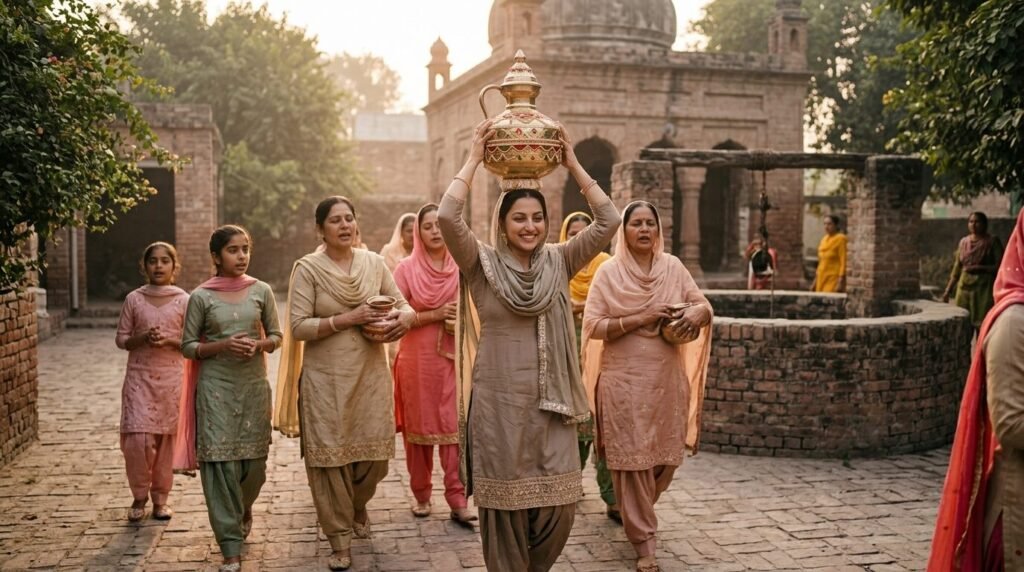
Bhutia wedding attire is a genuine visual highlight: the groom traditionally wears a Kho or Bakhu, a loose, cloak-like robe fastened at the neck and waist, similar in spirit to the Tibetan chuba, often paired with a waistcoat known as a Lajha, while the bride wears a Bakhu of her own over a full-sleeved blouse called a Wonju, styled with gold, turquoise, or coral jewellery. We treat the couple’s attire as a dedicated portrait sequence, since the craftsmanship and colour of Bhutia wedding dress is one of the most distinctive, photogenic elements of the entire day.
Unlike many Indian traditions where the bride departs immediately after the ceremony, a Bhutia Vidaai is scheduled according to the couple’s kika, and can take place anywhere between the first and tenth day after the wedding itself; the newlyweds may also choose to remain at the bride’s family home rather than departing at all. This flexibility means we plan our coverage around the family’s specific timeline rather than assuming a same-day departure, and we photograph the eventual Vidaai with the same quiet, undirected approach we bring to farewell moments across every tradition we cover.
Vidaai — Departure on an Auspicious Day
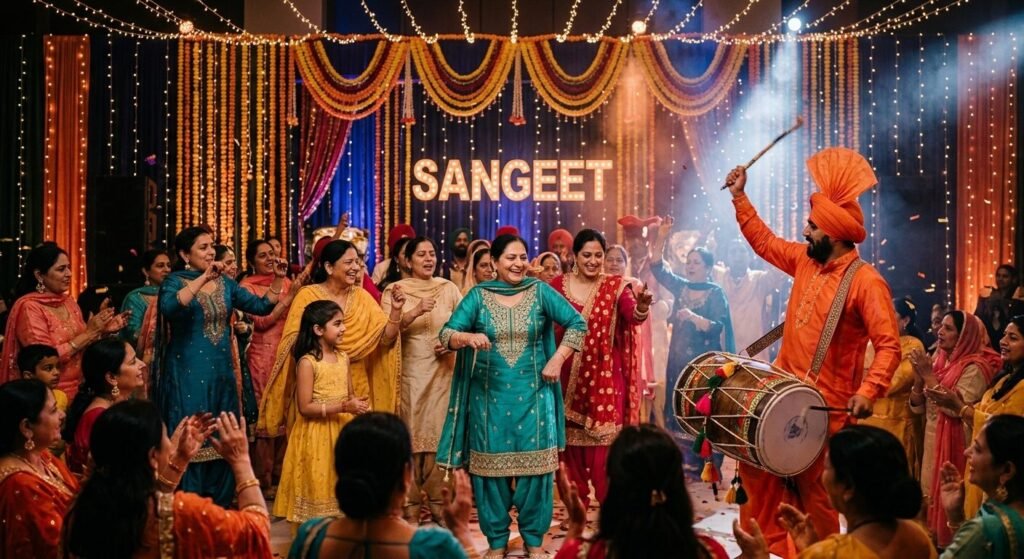
Music and Dance — Celebrating the Union
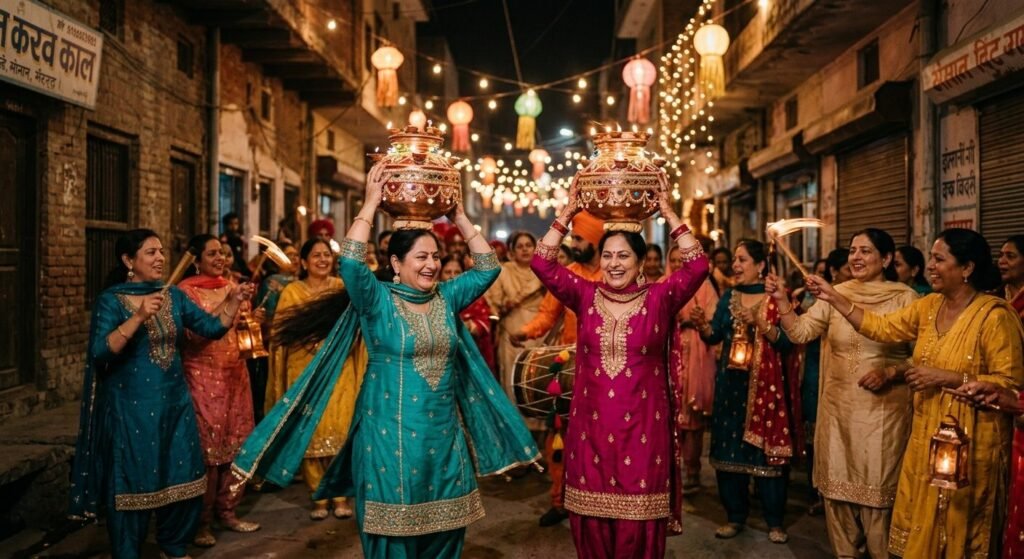
Bhutia weddings are woven through with music and dance distinct to Sikkim’s cultural landscape, including Tamang Selo and the Bhutia folk dance Zo-mal-lok, alongside mask dances like Singhi Cham and Yak Cham performed at larger celebrations. These moments offer some of the most visually rich material in the entire wedding, and we shoot them with wide, dynamic framing that captures the colour of the traditional costumes and the genuine energy of the dancing.
Our Approach to Sikkim Bhutia Wedding Photography
Bhutia weddings call for a different rhythm than the larger, ritual-dense weddings common elsewhere in India:
- A quiet, spiritual approach — the lama’s blessing, the khada offerings, and the shared chang are photographed with the same restraint we’d bring to any deeply spiritual ceremony, without flash or repeated takes.
- Flexible timeline planning — since the Vidaai date is set by the couple’s kika and can fall well after the wedding itself, we plan our coverage schedule around your family’s specific dates rather than a single fixed wedding day.
- Attire-focused detail work — the Kho, Bakhu, and Wonju receive dedicated portrait coverage, given how distinctive and rarely well-photographed this attire tends to be outside the region.
- Room for celebration — where music and dance are part of the wedding, we bring the same wide, high-energy coverage we use for any large celebratory moment.
- Destination-ready — for Bhutia families hosting weddings outside Sikkim, including in Bangalore, we bring the same cultural attention to detail wherever the wedding takes place.
What Couples Say
Frequently Asked Questions
Are Bhutia weddings very different from other Indian weddings?
Yes, meaningfully. Bhutia Buddhist weddings are typically smaller and more spiritually focused than the larger, ritual-dense Hindu weddings common elsewhere in India, centred on a lama’s blessing, khada offerings, and shared chang rather than a multi-day sequence of pujas. We build our coverage plan around your family’s actual customs.
Why does the Vidaai happen days after the wedding instead of the same day?
The date is set according to the couple’s kika, an astrological reading consulted by the family, and can fall anywhere between the first and tenth day after the wedding. We confirm this timeline with your family in advance so we can plan coverage accordingly.
Do you travel to Sikkim for weddings?
Yes, we regularly travel to Gangtok and across Sikkim, and we plan our logistics around the specific venues and multi-day timeline a Bhutia wedding may follow.
Do you photograph Bhutia weddings hosted outside Sikkim?
Yes — for Bhutia families hosting weddings in cities like Bangalore, we bring the same cultural attention to detail regardless of where the wedding takes place.
How soon after the wedding do we receive our photos?
Edited previews are typically shared within a few days, with the full gallery delivered on a timeline confirmed in advance based on the scope of coverage.
Ready to Document Your Bhutia Wedding, Ritual by Ritual? Let’s Talk.